What Does an Orthodontist Do (and How Are They Different from a Dentist)?
You might think your dentist handles everything related to your teeth. That’s partly true. But when it comes to straightening your smile and correcting your bite, you need a specialist. Here at Gibson Orthodontics in Harvest, AL, we hear this question all the time, so let’s break down what working with an orthodontist actually looks like.
An orthodontist is a dental specialist who completes two to three years of advanced training after dental school. This extra education focuses entirely on how teeth move, how jaws develop, and how to guide both into proper alignment. While your general dentist keeps your teeth healthy through cleanings, fillings, and preventive care, an orthodontist concentrates on the position and function of your teeth and bite. That distinction matters because the training behind it shapes every recommendation and adjustment you receive.
Think of it this way. Your dentist is like a family doctor. Your orthodontist is like a specialist you see for a specific concern. Both play important roles, but they bring different skill sets to the table.
Common conditions orthodontists treat include:
- Crowded or overlapping teeth
- Gaps and spacing between teeth
- Overbite, underbite, and crossbite
- Jaw misalignment affecting chewing or speech
- Teeth that don’t meet properly when you close your mouth
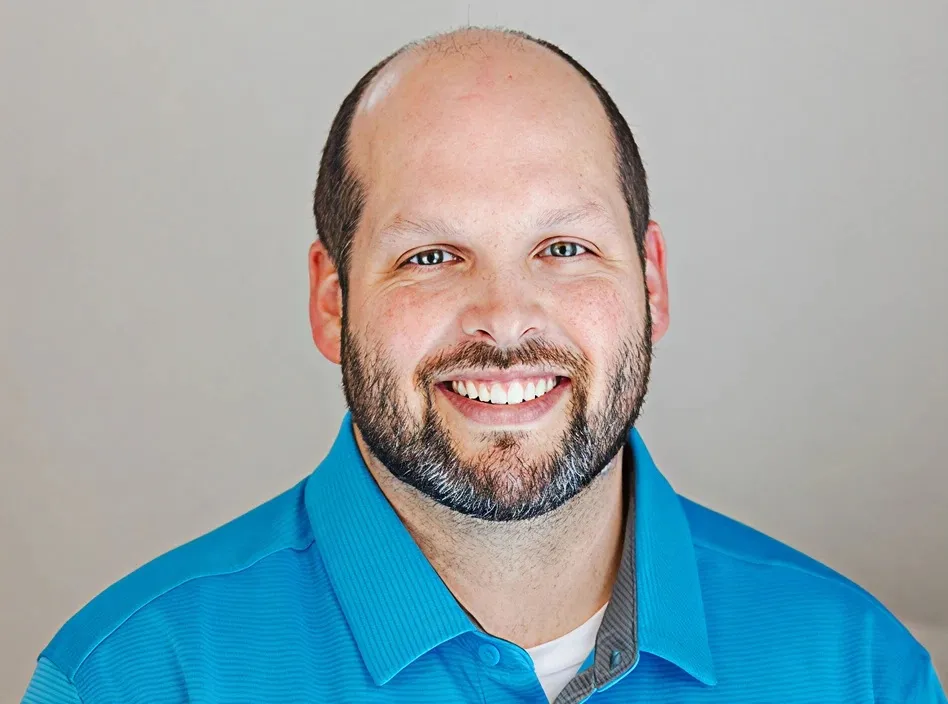
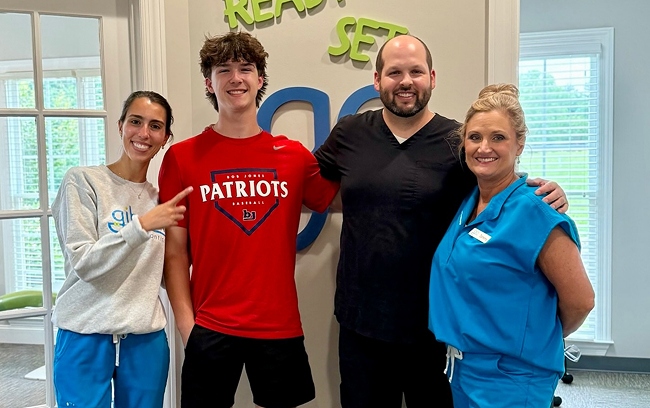
At Gibson Orthodontics, Dr. Matt, a board-certified orthodontist, focuses exclusively on alignment and bite correction. Every treatment centers on your unique goals, whether you’re after a straighter smile, better function, or both. Families across Harvest, Madison, and Athens, AL trust his expertise with a personal touch to deliver results that last.
What Happens at Your First Orthodontic Visit
At your first orthodontic visit, expect a thorough exam that includes X-rays and digital scans, followed by a treatment designed around your specific needs. The team will walk you through your options, timeline, and costs so you leave with a clear picture of what comes next and no unanswered questions.
Walking into an orthodontic practice for the first time can feel unfamiliar. Knowing what happens ahead of time makes everything easier. Here’s how things typically unfold from your first visit through your final smile.
Step 1: Your Free Consult
The first visit starts with a thorough exam. The team takes X-rays and digital scans of your teeth, showing how they sit now and how they need to move. These images give Dr. Matt a complete view of your bite, your jaw, and any areas of concern. A virtual consult from home is also an option if that works better for your schedule, and families from Madison and Athens, AL take advantage of this regularly.
Step 2: Your Treatment Takes Shape
Once the exam is complete, a treatment designed around your needs takes shape. This includes a clear timeline, your options, and answers to any questions you have. No surprises. Just clarity about what comes next.
Step 3: Appliance Placement
At a follow-up appointment, braces get fitted or you receive your first set of clear aligners. The team walks you through everything: how to care for your appliances, what to eat, and what to expect in the coming weeks.
Step 4: Regular Adjustments
Every four to eight weeks, the team checks your progress and makes adjustments. For braces, wires get tightened or replaced. For aligners, you’ll pick up your next sets and review how things are moving. These visits are quick, usually 20 to 30 minutes.
Step 5: Retention Phase
After active treatment ends, retainers maintain your results. Teeth naturally want to shift back to their original positions, and retainers prevent that from happening.
Most families tell us the hardest part was just making the first call. Once you’re here, you’ll know what’s happening and why at every step.
Benefits of Visiting an Orthodontist
Choosing orthodontic care in Harvest, AL brings real advantages to your daily life:
- Healthier teeth and gums because straight teeth are easier to clean
- A confident smile you’re proud to show off
- Less jaw strain and a bite that actually works right
- One practice for your whole family, from kids to adults
- Less time in the car when your orthodontist is close to home
Let’s break each of those down.
Straight Teeth Are Easier to Keep Clean
When teeth overlap or crowd together, food and plaque hide in spots your toothbrush can’t reach. Straight teeth give you better access for brushing and flossing, which reduces your risk of cavities and gum disease over time. That adds up, especially for kids who are still building brushing habits.
A Smile You Feel Good About
A smile affects how you feel about yourself. When you’re proud of your teeth, you smile more freely, and that confidence shows up in photos, conversations, and first impressions. We see it all the time at Gibson Orthodontics. Someone comes in feeling self-conscious and leaves standing a little taller.
Better Bite, Better Daily Function
A misaligned bite puts uneven pressure on certain teeth. Over months and years, this leads to jaw discomfort, headaches, and worn-down enamel. Correcting your bite helps your whole system work the way it should.
Can One Practice Care for My Whole Family?
Absolutely. Whether your seven-year-old needs early guidance or you’re an adult ready for a change, orthodontic treatment fits smiles at every stage of life. The same practice can care for everyone under your roof, which simplifies scheduling and keeps all your records in one place.
A Nearby Orthodontist Saves You Time
Appointments every few weeks add up. Having an orthodontist nearby in Harvest, AL means less time away from work or school. Families from Madison and Athens, AL also find the drive convenient. You can pop in during lunch or after the school day ends without rearranging your whole afternoon.
Braces vs. Clear Aligners: Comparing Your Treatment Options
Braces use fixed brackets and wires to move teeth and handle complex cases with precision, while clear aligners are removable trays best suited for mild to moderate alignment issues. Both straighten teeth effectively. The right choice depends on your specific needs, lifestyle, and what Dr. Matt recommends after your exam.
| Feature | Traditional Braces | Clear/Ceramic Braces | Clear Aligners |
|---|---|---|---|
| Visibility | Noticeable metal brackets | Less visible, tooth-colored | Nearly invisible |
| Comfort | Adjustment period needed | Slightly bulkier than metal | Smooth plastic, no wires |
| Removability | Fixed in place | Fixed in place | Removable for eating and brushing |
| Treatment Range | Handles complex cases | Handles most cases | Best for mild to moderate cases |
| Maintenance | Careful brushing around brackets | Brackets can stain, so extra brushing helps | Remove, rinse, brush normally |
| Lifestyle Impact | Some food restrictions | Some food restrictions | Eat what you want (aligners out) |
When Do Braces Still Win Out?
Braces remain the go-to choice for complex alignment issues. Severe crowding, significant bite concerns, and cases requiring precise tooth rotation often respond better to brackets and wires. They give your orthodontist more control over tooth movement.
When Are Clear Aligners the Better Choice?
If your case is mild to moderate and discretion matters to you, clear aligners fit your life more easily. Remove them for meals, special events, and photos. Many adults prefer this option because aligners blend into professional and social settings.
Gibson Orthodontics offers both braces and clear aligners for kids, teens, and adults. During your free consult, you’ll learn which option fits your specific situation best.
How Much Does Orthodontic Treatment Cost?
Cost matters. You want to know what you’re getting into before you commit. Here’s a straightforward look at what orthodontic treatment typically costs and what affects that number.
What Are General Orthodontic Cost Ranges?
In the Harvest and Madison, AL area, orthodontic treatment costs vary widely based on your case. Braces and clear aligners each fall within different ranges depending on complexity, duration, and appliance type. Rather than quoting numbers that may not reflect your situation, we recommend a free consult to get exact pricing tailored to you.
What Factors Affect Your Cost?
- Case complexity: More severe alignment issues require longer treatment and more appointments
- Treatment duration: A 12-month case costs less than a 24-month case
- Appliance type: Clear aligners and ceramic braces often cost more than traditional metal braces
- Geographic location: Costs vary by region and practice
How Can You Make Treatment Affordable?
Many dental insurance plans cover a portion of orthodontic treatment, especially for families with kids under 18. Flexible spending accounts (FSAs) and health savings accounts (HSAs) let you use pre-tax dollars toward your care.
Gibson Orthodontics offers a payment calculator to help you understand your options. Low monthly payment plans spread the cost over time, so more families can say yes to treatment without financial stress. The OrthoFi patient portal makes managing payments simple and transparent.
Does a Free Consult Remove the Guesswork?
You don’t have to wonder what your treatment will cost. A free consult gives you exact numbers based on your specific needs. No obligation. Just clear information to help you decide.
Who Is a Good Candidate for Orthodontic Treatment?
Orthodontic care isn’t just for teenagers. Families of all ages benefit from straighter teeth and better bite function.
Kids (Starting at Age 7)
The American Association of Orthodontists recommends kids have their first orthodontic evaluation by age seven. At this age, adult teeth are coming in and jaw growth is active. Phase One treatment addresses concerns like severe crowding, crossbites, or protruding front teeth while growth is still happening. Not every child needs early treatment, but an evaluation catches concerns before they become more complex.
Teens
Adolescence remains the most common time for full orthodontic treatment. Most permanent teeth have arrived, and jaw growth is still underway. Many teens today choose clear aligners for a more discreet look during high school.
Adults
There’s no upper age limit. Adults in their 30s, 40s, and beyond choose treatment all the time. Clear aligners have made adult treatment a realistic option for busy professionals who want results without visible brackets.
You Might Be a Candidate If You Have:
- Crowded or crooked teeth
- Gaps between teeth
- Overbite, underbite, or crossbite
- Jaw discomfort or difficulty chewing
- Teeth that don’t fit together when you bite down
A consultation with Dr. Matt, board-certified orthodontist at Gibson Orthodontics in Harvest, AL, determines your candidacy based on your dental health and what you want to achieve.
Frequently Asked Questions About Visiting an Orthodontist
How long does orthodontic treatment take?
Most orthodontic treatments last between 12 and 24 months. Simple spacing issues resolve faster than complex bite concerns. During your free consult, you’ll receive a realistic estimate based on your case.
Does getting braces hurt?
Expect some pressure and mild discomfort after braces are placed and after adjustments. This typically fades within a few days, and over-the-counter relief and soft foods help.
Can I eat normally with braces or aligners?
With braces, you’ll want to avoid hard, sticky, and crunchy foods that can damage brackets or wires. Think popcorn, caramel, and hard candy. With clear aligners, you remove them before eating, so there are no food restrictions at all. Just brush before putting aligners back in.
How often will I need appointments?
Plan for visits every four to eight weeks during active treatment. These appointments are usually quick. The team checks your progress, makes adjustments, and sends you on your way. Consistent appointments keep your treatment moving forward on schedule.
What age should my child first see an orthodontist?
The American Association of Orthodontists recommends an initial evaluation by age seven. That doesn’t mean treatment starts right away. It means potential issues get identified early. The team at Gibson Orthodontics recommends scheduling that first evaluation around age seven so Dr. Matt can monitor development and determine the right time for treatment if it’s needed. Families throughout Harvest, Madison, and Athens, AL are welcome to schedule a free consult to get that first look on the calendar.