
When you’re thinking about your family’s oral health, the question isn’t whether orthodontic care matters but when to start. For families in Madison, AL and surrounding communities like Harvest and Athens, finding the right specialist can shape your kids’ confidence, your teen’s self-esteem, and even your own comfort as an adult. An orthodontist brings years of specialized training that goes far beyond what a general dentist provides, focusing entirely on how teeth move, how jaws develop, and how to create smiles that last.
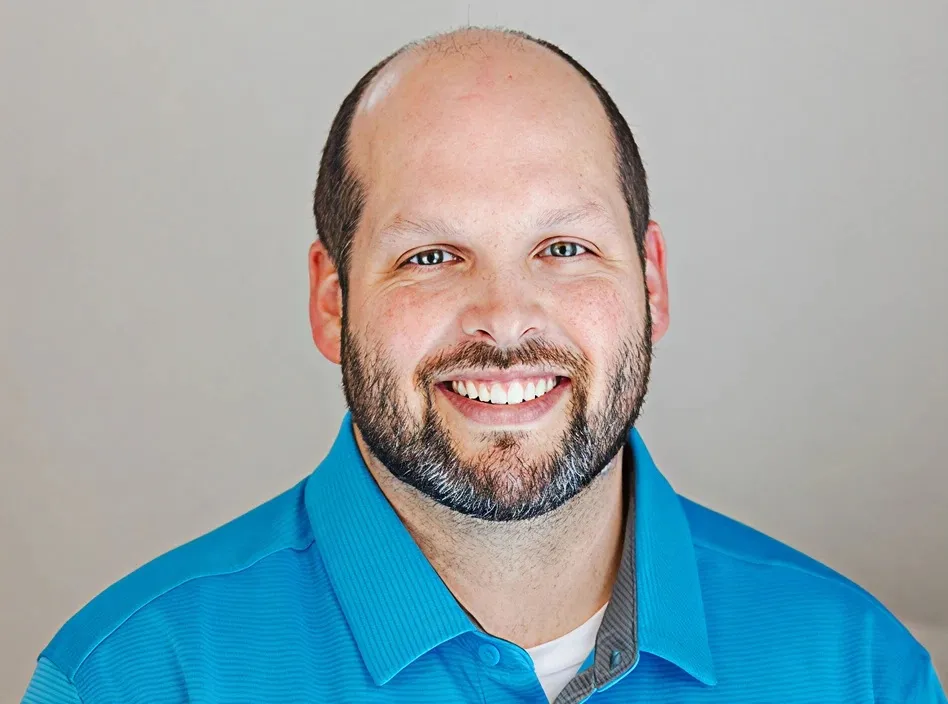
Dr. Matt Gibson, a board-certified orthodontist, sees families at every stage of life at Gibson Orthodontics. One thing stays consistent: the earlier you understand what an orthodontist does, the better positioned you are to make smart decisions for everyone under your roof. That’s what shaping smiles with care really looks like.
What Does an Orthodontist Do, and Why Does It Matter for Families in Madison, AL?
An orthodontist is a dental specialist who has completed two to three years of advanced residency training after dental school, all focused on diagnosing and treating misaligned teeth, bite irregularities, and jaw development concerns. That level of focus matters, and it goes well beyond simply straightening teeth.
Think of it this way: a general dentist handles many oral health needs, from fillings to cleanings to crowns. An orthodontist, on the other hand, spends every working day studying how teeth and jaws move. They understand the mechanics of bite correction, the timing of growth spurts in kids, and the specific forces needed to shift teeth safely and predictably.
Why does this matter for your family? Because orthodontic issues show up differently at every age. Your seven-year-old might have a developing crossbite that’s easy to address now but could require surgery later. Teens often need braces to correct crowding before it leads to cavities in hard-to-clean spots. And if you’re an adult, you might finally want to address a bite that’s been causing jaw pain for years. Each of these situations calls for a specialist who can read the full picture, not just the surface.
According to the American Association of Orthodontists, a large portion of the population could benefit from some form of orthodontic treatment. That highlights why having a specialist involved early makes such a difference. The expertise with a personal touch that a dedicated orthodontist provides simply can’t be replicated by someone who splits their time across dozens of dental disciplines.
How Orthodontic Treatment Works: From First Consult to Final Smile
Here’s what the process actually looks like, step by step, so you know what to expect before you ever sit in the chair.
- Free consult. Everything starts here. You’ll get diagnostic imaging and a thorough assessment of your teeth, bite, and jaw alignment. Gibson Ortho also offers virtual consults for families with packed schedules, because getting started shouldn’t feel like a hassle.
- Treatment planning. Dr. Matt reviews your imaging and recommends a treatment plan built around your unique goals. This might be traditional braces, clear aligners, or phase one treatment for younger kids who need early intervention.
- Active treatment. Once your plan is set, you’ll come in for progress check-ins, typically every four to eight weeks. These visits let the team monitor movement, make adjustments, and answer any questions along the way. Most active treatment periods last between 12 and 24 months, though simpler cases can wrap up faster.
- Retention. After active treatment ends, retainers keep teeth in their new positions so your smile stays put. This step is just as important as the treatment itself. Seriously. Don’t skip it. Skipping retainers is the most common reason teeth shift back.
Modern technology in 2026 makes this entire process faster and more comfortable than it used to be. Digital scans have replaced messy impressions, and advanced treatment planning means fewer surprises and results you can count on. The difference is in the details, and those details add up to a better time with us for you and your family.
Key Benefits of Seeing an Orthodontist for Every Member of Your Family
Straight teeth look great. But orthodontic care goes well beyond appearance, touching everything from daily hygiene to long-term jaw health.
Properly aligned teeth are easier to clean and less prone to uneven wear. They’re also better supported by healthy jaw function. Every member of your family stands to gain something different from treatment, and at Gibson Ortho, we see that play out every day.
How Does Alignment Improve Oral Health?
Crowded or overlapping teeth trap food and plaque in spots your toothbrush can’t reach. When teeth are properly aligned, brushing and flossing actually work the way they’re supposed to. Fewer cavities. Lower risk of gum disease. That holds true for kids, teens, and adults alike.
Bite issues deserve attention too. When your upper and lower teeth don’t meet correctly, it puts uneven stress on your jaw joints and causes certain teeth to wear down faster than others. Correcting these issues early can prevent TMD symptoms, headaches, and the need for more involved treatment down the road.
Why Is Early Treatment Important for Kids?
The American Association of Orthodontists recommends kids visit an orthodontist by age 7, even if treatment isn’t needed right away. At that age, an orthodontist can spot developing concerns and, when necessary, guide jaw growth in real time. Phase one treatment can create space for permanent teeth and sometimes prevent extractions or surgery later. That’s a big deal.
For teens, the benefits are both physical and emotional. Adolescence is tough enough without feeling self-conscious about your smile. Discreet options like clear aligners give teens the freedom to straighten their teeth without the look of traditional metal braces, and that confidence boost matters more than most adults realize.
If you’re an adult who didn’t get treatment as a kid, or whose teeth have shifted over time? It’s never too late. A growing number of orthodontic patients today are adults, and many find that their overall oral health improves once they address misalignment or bite issues.
Braces vs. Clear Aligners: Which Option Is Right for Your Family?
Choosing between braces and clear aligners depends on your individual needs, lifestyle, and treatment goals. Here’s how they compare:
| Feature | Traditional Braces | Clear Aligners |
|---|---|---|
| Visibility | Metal brackets and wires are noticeable | Nearly invisible when worn |
| Removability | Fixed throughout treatment | Removable for eating and brushing |
| Best for | Complex cases, all ages | Mild to moderate cases, disciplined wearers |
| Compliance | No compliance needed, always working | Requires wearing 20-22 hours daily |
| Comfort | May cause initial soreness from wires | Smooth plastic, generally comfortable |
Traditional braces remain a reliable choice for complex tooth movements and work well for families of all ages. They’re especially helpful for kids and teens who might forget to wear removable aligners consistently.
Clear aligners offer a modern, discreet alternative that many adults prefer. They fit into busy lifestyles and let you eat whatever you want. Just pop them out at mealtimes.
Honestly, most families lean toward whatever fits their schedule and budget best, and that’s totally fine. Dr. Matt evaluates each family member’s specific situation and recommends the option most likely to deliver the smile you’re looking for.
What Affects the Cost of Orthodontic Treatment in 2026?
This is one of the first questions families ask, and it’s a fair one. Orthodontic treatment costs vary based on complexity, duration, and treatment type, but flexible payment plans and insurance coverage can make care more affordable than many families expect. Let’s break it down.
Treatment complexity and duration are the biggest factors. Cases that require more extensive tooth movement or longer treatment times naturally cost more than simpler corrections. The type of treatment also plays a role, as braces and clear aligners may carry different price points depending on your specific case and how many aligners or adjustments you need.
Here’s what surprises a lot of families: insurance coverage and low monthly payment options can significantly reduce out-of-pocket expenses. Many people don’t realize how affordable treatment becomes with the right financing in place. It’s worth asking about payment plans and insurance benefits during your free consult so you can see real numbers before making any decisions.
Your free consult covers all of this upfront. You’ll know exactly what to expect financially after your first visit, with no hidden fees and no pressure. Early treatment often saves money long-term, too. Addressing orthodontic issues before they become severe can prevent more expensive interventions later, like jaw surgery or extensive restorative work. Board-certified orthodontist Dr. Matt Gibson walks families through every cost detail so nothing catches you off guard.
Who Should See an Orthodontist? Candidacy for Kids, Teens, and Adults
Orthodontic care works for smiles at every stage of life. Here’s who benefits most.
Kids and Teens
The American Association of Orthodontists recommends an evaluation by age 7. At this age, an orthodontist can spot developmental issues that a general dentist might miss, like crowding, crossbites, or jaw growth concerns. Phase one treatment can guide development and create space for permanent teeth, sometimes preventing more complex treatment later.
Once kids hit their teenage years, most permanent teeth have come in but the jaw is still growing, which gives an orthodontist more to work with. Teens with crowding, spacing, overbites, underbites, or other alignment issues are ideal candidates for braces or clear aligners. Many teens appreciate options that let them straighten their teeth without drawing attention.
Adults and Surgical Cases
If you didn’t get treatment as a kid, or if your teeth have shifted over time, orthodontic care can still make a real difference. Adults with misalignment, jaw discomfort, or TMD symptoms often find relief through treatment. There’s no age limit on achieving a healthier, more comfortable smile.
For severe skeletal discrepancies that can’t be corrected with braces or aligners alone, surgical orthodontics may be recommended. This involves collaboration between your orthodontist and an oral surgeon to address underlying jaw structure issues. Dr. Matt Gibson works closely with surgical teams when this type of care is needed, bringing the same level of specialized attention to every case.
If you’re curious whether you or your child might be a candidate, a free consult is a good place to start gathering information.
Frequently Asked Questions About Visiting an Orthodontist
When should my child first see an orthodontist?
The American Association of Orthodontists recommends scheduling an evaluation by age 7. Adult teeth are starting to come in at that age, and an orthodontist can identify potential issues early, even if treatment isn’t needed right away. Families across Madison, Harvest, and Athens, AL often bring kids in around this age to get a baseline assessment.
Can adults get braces or clear aligners?
More adults are seeking orthodontic care than ever before. Many choose clear aligners for their discretion, but traditional braces are also effective. Dr. Matt creates a treatment plan for each adult based on their specific goals and oral health needs.
How long does orthodontic treatment take?
Most orthodontic treatments take between 12 and 24 months. Simple cases may wrap up faster, while more involved corrections take longer. Your orthodontist gives you a timeline during your free consult so you know what to expect.
Is a consultation really free?
At Gibson Ortho in Madison, AL, your first visit is complimentary. You’ll receive a thorough evaluation, learn about your treatment options, and get clear information about costs, all without any obligation. Sit back, relax & get started.
What’s the difference between a dentist and an orthodontist?
An orthodontist is a dentist who completed two to three additional years of specialized residency training focused exclusively on tooth movement, jaw alignment, and bite correction. Every orthodontist is a dentist first, but not every dentist is an orthodontist. This extra expertise allows them to diagnose and treat issues that general dentists may not be trained to address.
Your family deserves care designed around you, not a generic approach that treats everyone the same way. At Gibson Ortho, where our family takes care of yours, kids, teens, and adults across Madison, AL all receive the kind of attention that leads to smiles that last. If you’re thinking about what orthodontic care could look like for your family, a free consult is a great first step toward getting the information you need.